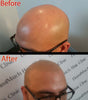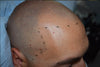
A shiny scalp can become hard to ignore. Bright lights, sunlight, and camera flash can make a shaved head look slick and reflective. If you have scalp micropigmentation, glare can also weaken the natural illusion of closely shaved hair.
The frustration comes from how quickly it returns. You wash, blot, or powder your scalp, get the matte look you want, then notice the shine again hours later.
That is why people searching for scalp shine control often try apple cider vinegar rinses, blotting wipes, powders, harsh soaps, and DIY tricks. Bentonite and kaolin clay masks are another popular fix. They can help, but only to a point.
Can a Clay Mask Remove Scalp Oil?
Yes, clay can absorb oil from the skin’s surface. Bentonite and kaolin have absorbent properties, which explains why skincare products often use them on oily skin.
After rinsing a clay mask away, your scalp may feel cleaner and look less greasy. However, clay does not stop your sebaceous glands from producing more sebum. Fresh oil continues reaching the scalp after the mask comes off. As a result, the reflective look returns.
Research on clay masks also focuses mainly on oily facial skin rather than bald heads or SMP scalps. Clay may help with surface oil, but it cannot promise long-lasting scalp shine control.
Why Does A Bald or SMP Scalp Still Shine?
Hair helps break up reflected light. On a bald or closely shaved scalp, much less hair sits above the skin to absorb oil and scatter that reflection.
SMP creates the appearance of tiny shaved follicles, but it does not add real hair shafts. Oil can still spread across the skin above the pigmentation. Strong lighting then catches that smooth surface and creates glare.
A clay mask can remove some of that oil. However, it cannot recreate the subtle surface texture that helps natural stubble diffuse light.
How Should You Use Clay On Your Scalp?
Choose a cosmetic-grade bentonite or kaolin product made for skin and follow its directions. Apply it to a clean scalp. Avoid cuts, irritated skin, or freshly treated SMP, and rinse the mask away before your skin feels excessively tight.
Using clay more often does not necessarily give better results. Frequent drying treatments can leave your scalp uncomfortable or irritated. If you have sensitive skin, test the product on a small area first.
Most importantly, think of clay as occasional skincare. It may give you a temporary matte window. It cannot guarantee that your scalp will stay matte through work, travel, photographs, exercise, or a full day outside.
Why Quick Fixes Keep Falling Short?
Apple cider vinegar, clay, blotting sheets, powders, and harsh cleansers all tackle shine after it appears. Some remove surface oil. Others simply make that oil less obvious for a short time.
For someone with SMP, the goal goes beyond reducing oil. You want the scalp to stay matte enough for the pigment impressions to resemble natural shaved follicles under different lighting.
That is where home remedies often become frustrating. You keep wiping, washing, powdering, or reapplying products while waiting for the next patch of glare to appear.
A More Reliable Approach To Scalp Shine Control
Zero Shine approaches the problem differently. Instead of repeatedly stripping oil from the scalp, it adds microscopic matte texture that helps scatter light and reduce the glare that makes bald and SMP scalps look shiny.
That matte finish can make SMP appear more natural because the pigment no longer has to compete with a reflective surface. One application can last roughly 24 to 48 hours, depending on conditions. Its waterproof finish also means you can wear it in the pool without relying on another temporary mattifying trick afterward.
Zero Shine uses a moisturizing formula rather than harsh drying chemicals. That helps support the scalp while protecting and preserving the appearance of your SMP.
Zero Shine offers longer-lasting scalp shine control while keeping a bald or SMP scalp matte, natural-looking, and ready for real life.
Place your order now!